20 Real Estate Photo Editing Mistakes Home Sellers Make

Read | Loved by: 10057

That house of yours isn’t selling even after months, while the one next door sold in just days. Have you figured out why? It’s probably the photos. Not just bad shots, but ones with some sneaky editing mistakes.
Why Do Real Estate Photos Matter More Than Ever in 2025?
Here is something wild. Literally 85% of homebuyers check out listing photos to see how a place looks online. Think about that! They're making decisions before they even walk through the door of your house.
But it gets even more interesting in 2025. AI tools now rank listing photos based on buyer engagement data. It means the algorithm will decide which homes get shown first. Here's what's happening:
Properties with great photos tend to sell 32% faster.
Homes with high-quality images get up to 61% more views than those with average pictures.
- High-resolution images can make a place look 33% bigger, which helps draw in more potential buyers.
What Sellers Get Wrong About Photos?
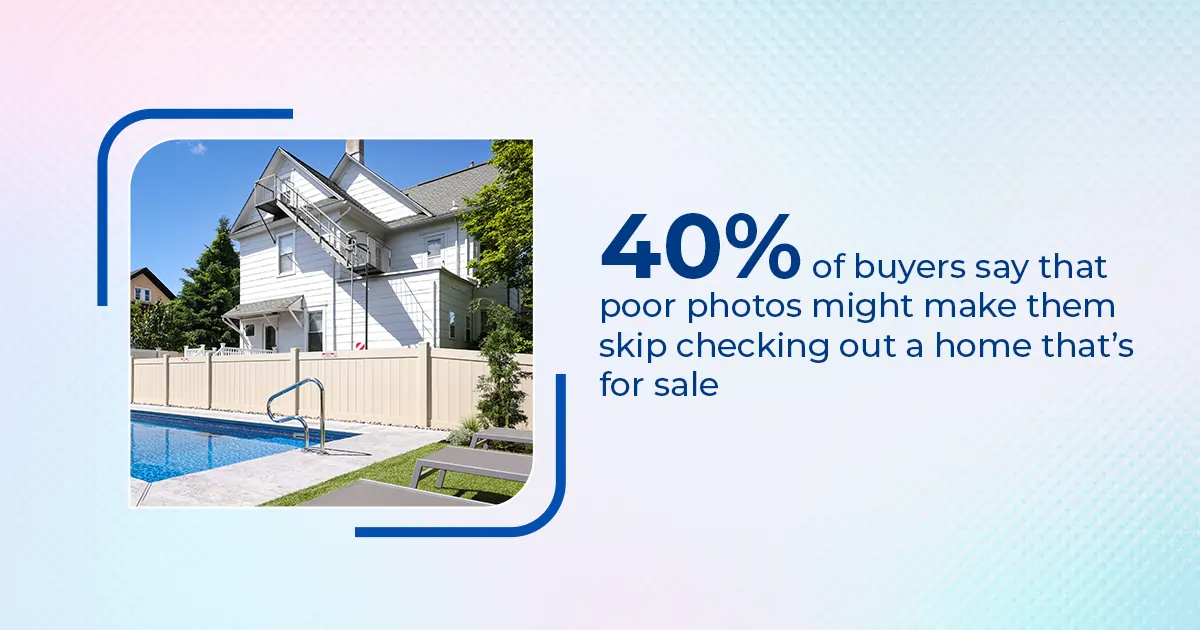
Many sellers think "a photo is just a photo." Wrong. Homes with professionally edited photos are listed at prices nearly 47% higher per square foot. Those mediocre smartphone pics might be costing you actual buyers before they even contact you.
Check out: How Expert Photo Retouching and Editing Services Drive ROI
20 Real Estate Photo Editing Mistakes Home Sellers Make
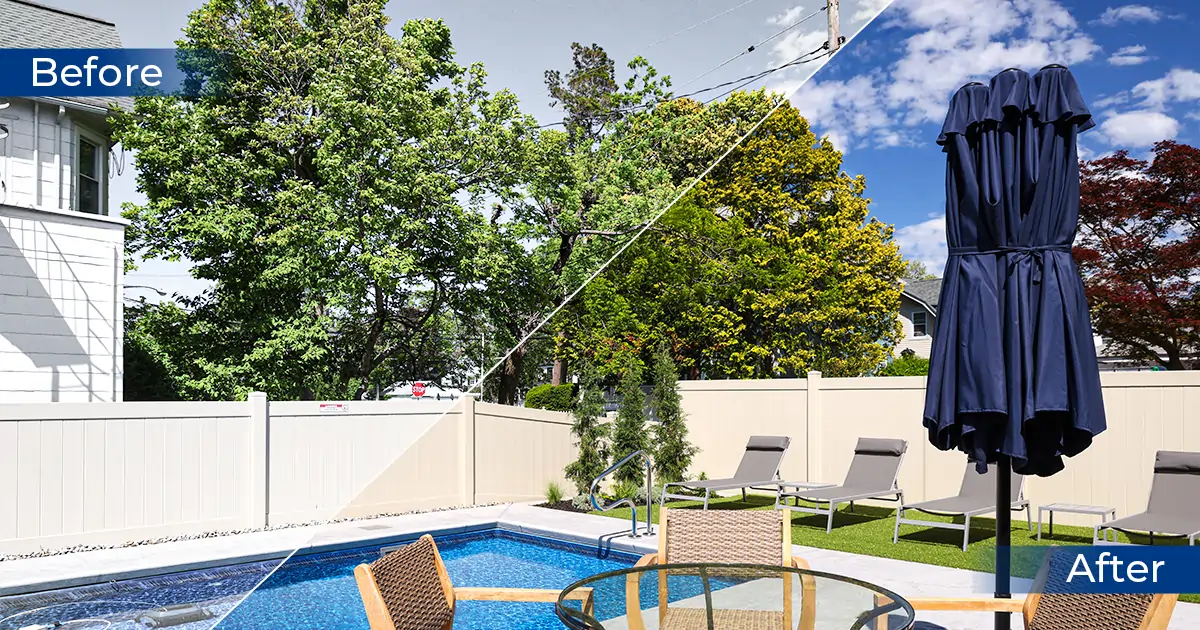
1 . Over-Brightening That Looks Fake
The brain knows what natural light looks like. When you push exposure too far, rooms start looking like hospital waiting rooms. That fake brightness is a dead giveaway.
Here's what happens:
Walls lose texture and look flat
Details disappear in blown-out highlights
Buyers immediately sense something's "off"
Bounce rates spike because trust drops
2 . Using Unrealistic Sky Replacements
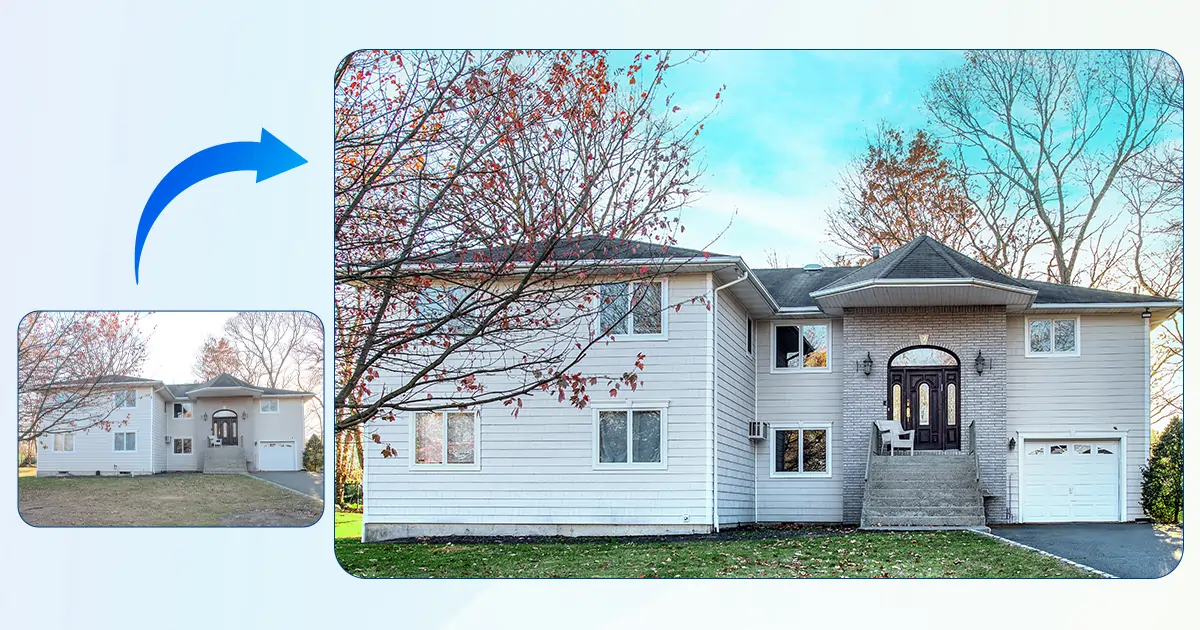
When your "golden hour" exterior has noon shadows, buyers notice. Instagram-worthy skies might look cool, but they signal "fake" to experienced homebuyers.
The problems stack up:
Sky color doesn't match the time of day
Lighting direction contradicts the shadows on the building
Overly dramatic clouds look copy-pasted (because they are)
Professional buyers spot these instantly
3 . Warped Walls From Wide-Angle Corrections
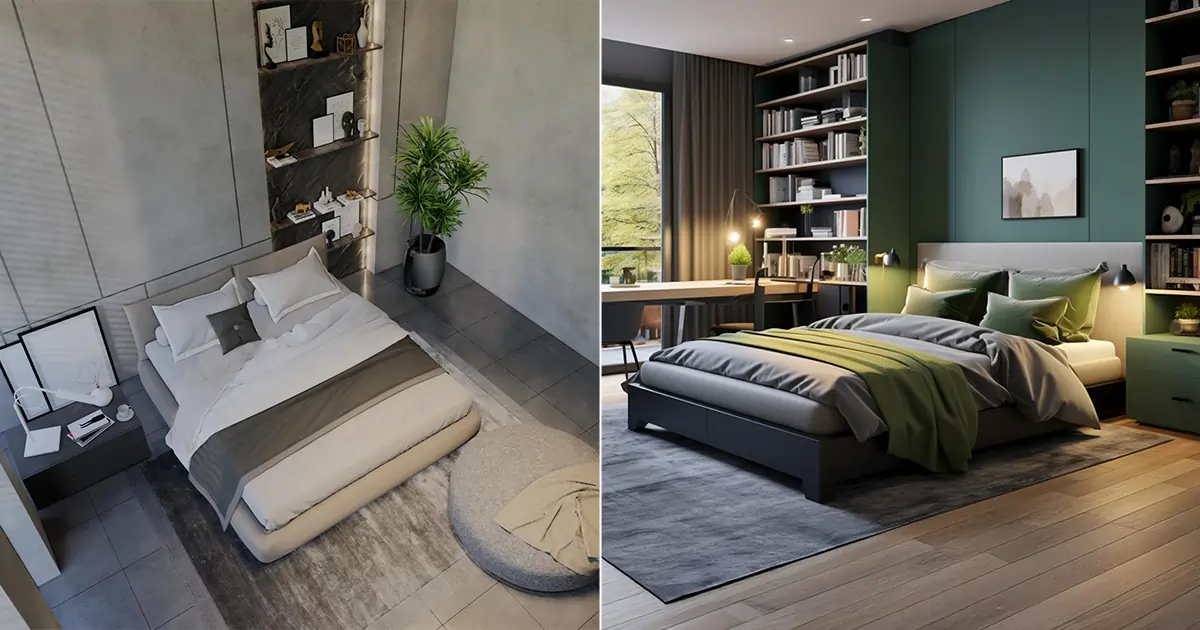
Wide-angle lenses create distortion. Fixing them incorrectly makes walls curve, lean, or bow outward. These crooked verticals are exactly what cheap editing is.
What buyers actually see:
Leaning walls that make rooms feel unstable
Bent doorframes and twisted corners
Distorted furniture that looks cartoon-like
Rooms that appear smaller due to visual confusion
4 . Over-Smoothing Surfaces
Real materials have texture, such as wood grain, fabric weave, and stone patterns. Smooth them away, and you've just told buyers the house is cheaper than it actually is. This editing mistake actually reduces perceived property value.
The damage includes:
Floors that look fake and cheap
Walls with a weird, smudged appearance
Furniture that seems computer-generated
Lost texture that signals lower quality
5. Poor Window-Pull Blending
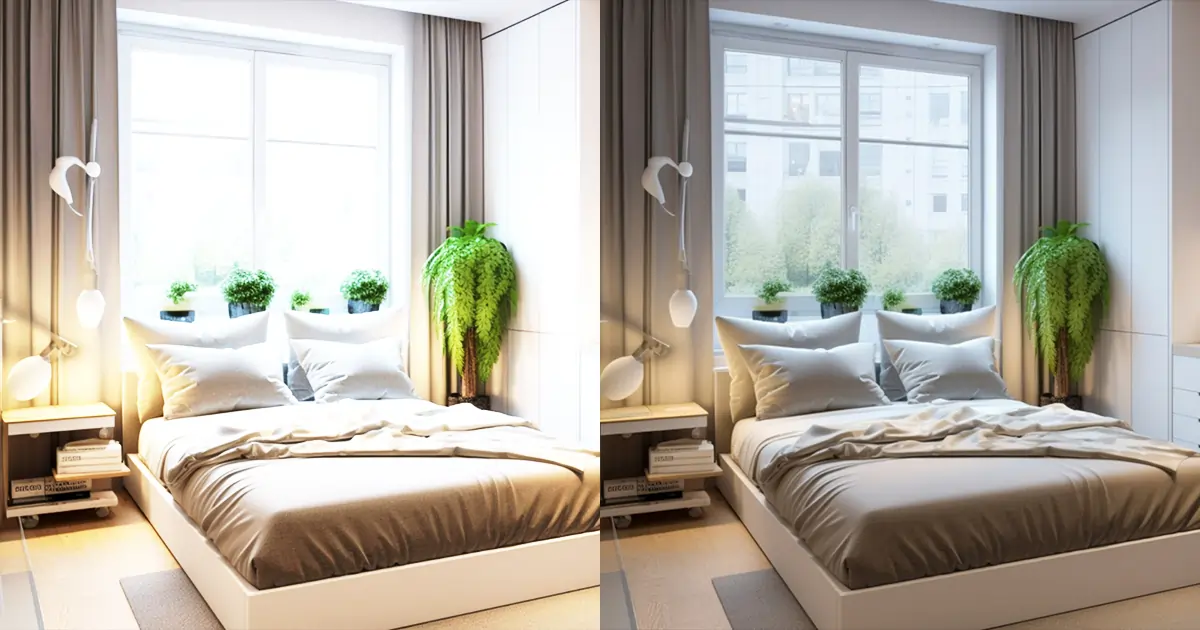
Window pulls (combining interior and exterior exposures) are tricky. Done incorrectly, you get obvious halos and mismatched edges. Excessive sharpening and contrast adjustments during post-processing can also lead to these unnatural outlines
Common disasters:
Glowing halos around window frames
Color mismatches between inside and outside
Unnatural brightness levels
Visible editing seams
6 . Ignoring Color Temperature Mismatch
How does a yellow living room + blue kitchen = disaster? Each room in your listing should flow naturally. This inconsistency breaks the visual flow and confuses buyers. They start wondering if something is wrong with the property.
The chaos created:
Jarring transitions between rooms
Loss of emotional connection
Professional distrust
Lower engagement with the listing
7. Bad HDR Merging (Ghosting, Halos, and Flat Lighting)
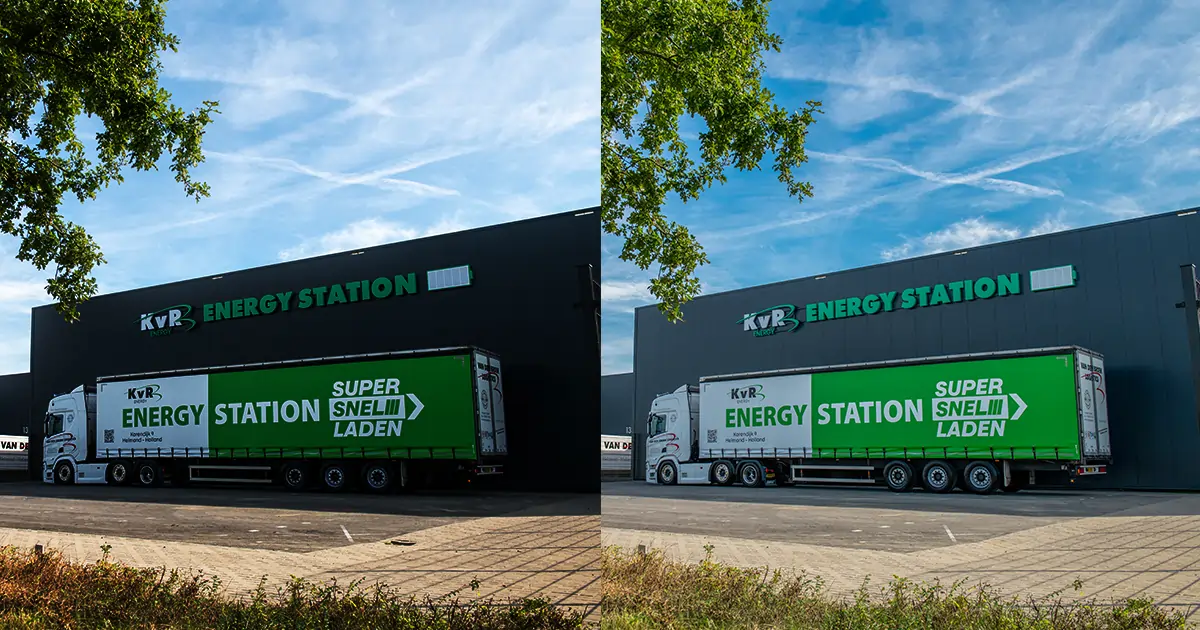
HDR should reveal details in bright and dark areas naturally. However, bad HDR creates ghostly double images from moving objects. It glows halos around everything, and weirdly flat lighting removes all depth.
Red flags buyers spot:
Ghost images in windows or outdoor elements
Unnatural halos around doorframes and furniture
Completely flat lighting with no shadows
Surreal, fake-looking results
8. Leaving Distracting Shadows

Your eyes naturally follow shadows. It sees the harsh, awkward shadows, too. This steals attention from the room's best features. Dark shadows under furniture, random ceiling spots, and harsh lines need fixing.
Problems they create:
Draw eyes away from key selling features
Make spaces feel smaller and darker
Create an uncomfortable, harsh mood
Signal low-quality listing overall
9. Removing Items Incorrectly (Patchy Retouching)
If you're removing items, either do it perfectly or leave them. Obvious retouching leaves smudges, repeating patterns, and blurry patches. It makes the house more like a design showroom than a real place.
The telltale signs:
Obvious clone stamp patterns
Blurry patches where items used to be
Mismatched textures and colors
Floors or walls that look "painted over."
10 . Over-Saturated Greens and Blues
Your property should look beautiful, not like it exists in a video game. Over-saturation can make grass appear neon, and skies turn artificial. Remember, Real estate companies can be fined if their images are misleading buyers
The radioactive effect:
Unnaturally bright grass that looks spray-painted
Electric blue skies that scream "fake."
Overly vivid countertops and walls
Instant credibility loss
11. Poor Window Views Compositing
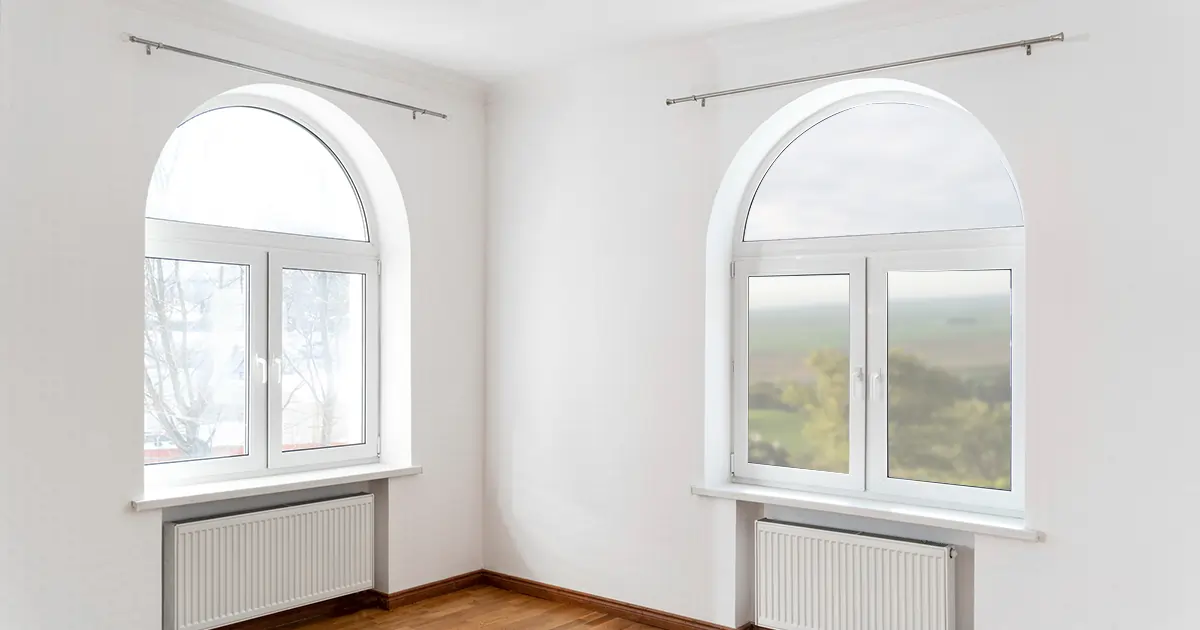
The window view is part of your property's value proposition. A poorly composited view tells buyers you're hiding something. The view should complement the interior, not compete with it.
Critical mistakes:
Outside is way too bright or too dark
Perspective angles that don't align
Color temperature is completely different
Trees or buildings at impossible angles
12. Cropped Too Tight
Buyers subconsciously calculate room size from photos. Cropping too tightly makes rooms feel cramped and claustrophobic. Wide-angle shots need breathing room at the edges.
What you're losing:
Perceived square footage
Sense of openness and flow
Important architectural details
Buyer interest and engagement
13. Not Staging Through Editing
Can virtual staging look good? Yes, but most don't. Bad virtual staging looks like furniture from a 2010 model. Wrong scale, wrong style, wrong lighting, and floating an inch off the floor.
The failures:
Furniture that doesn't match the architectural style
Items with wrong shadows or reflections
Clearly computer-generated textures
Pieces at impossible scales or angles
14. Bad Ceiling and Wall Color Corrections
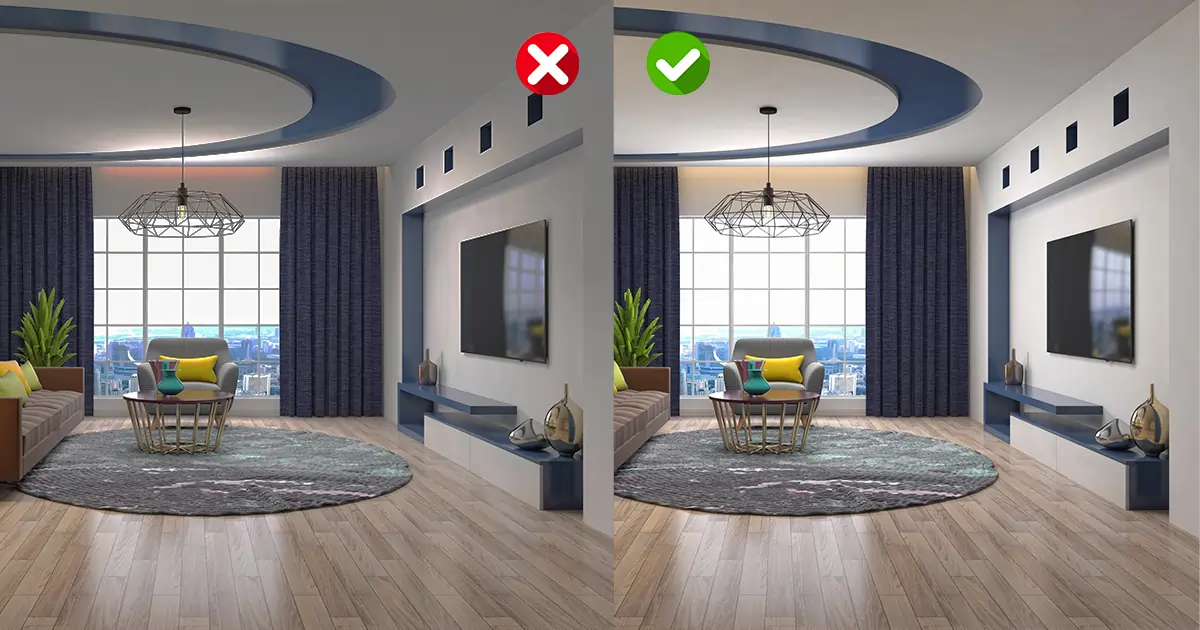
Modern design relies on correct neutral tones. Incorrect white balance can instantly ruin modern interiors. Buyers aren’t going for dingy yellow or cold, hospital-blue.
The color blunders:
Cream walls that should be bright white
Blue-tinted spaces that feel cold
Yellow ceilings that look aged
Inconsistent whites from room to room
15. Over-Retouching to Hide Flaws
There's a line between enhancement and deception. Fixing lighting, adjusting colors, and removing temporary clutter is fine. However, completely hiding permanent property issues? That's fraud.
The deception damage:
Buyers feel tricked at showings
Lower offers from damaged trust
Potential legal consequences
Destroyed professional reputation
16 . Not Removing Personal Items Properly
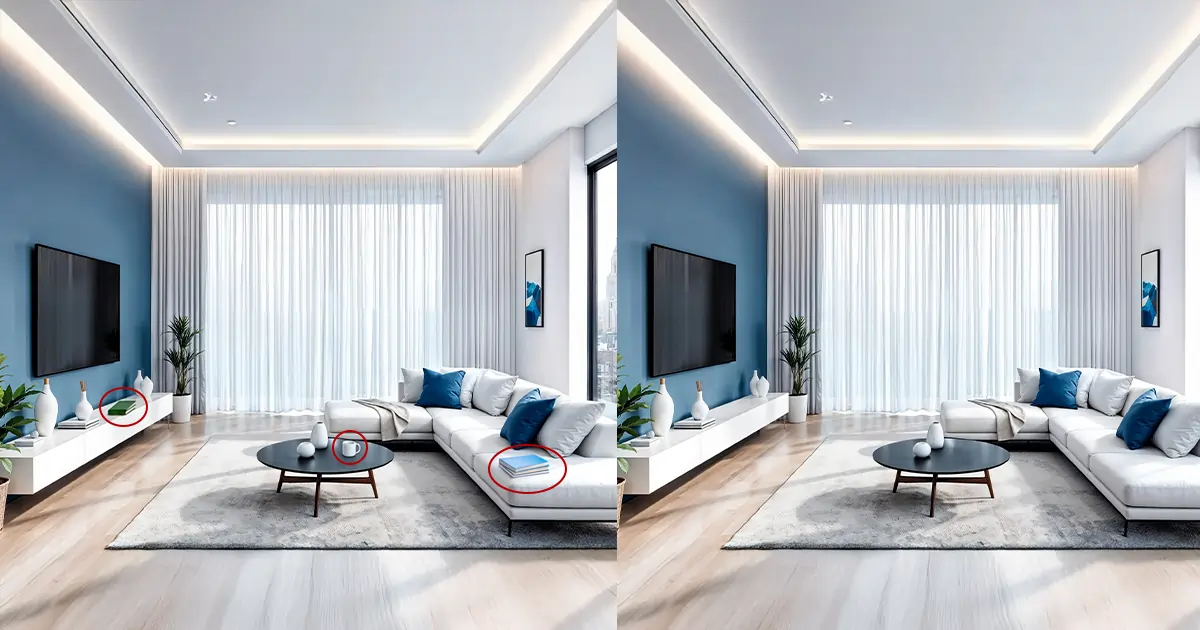
Personal items in photos can distract buyers from focusing on the property itself. But worse than leaving them is removing them badly. Poor editing leaves behind reflections that reveal what was deleted.
The privacy and trust disasters:
Family photos that should be gone but aren't
Mirrors and glass showing removed items
Obvious blur patches where frames used to hang
Personal documents accidentally visible
17 . Ignoring MLS Compliance
Can over-editing get your listing removed? Absolutely. MLS platforms have strict rules about digital alterations, and violations mean instant removal.
What violates MLS rules:
Adding features that don't exist
Removing permanent structural elements
Dramatically altering the property's appearance
Misleading viewers about the condition
18 .Leaving Vertical Lines Uncorrected

Straight verticals make rooms look taller, more spacious, and well-maintained. Crooked lines do the opposite. It makes the room look tilted, unstable, and surprisingly smaller.
The crooked room effect:
Leaning walls signal cheap, amateur work
Buyers subconsciously feel uncomfortable
Rooms appear cramped and distorted
Professional credibility was instantly destroyed
19. Not Optimizing Photos for Platforms
Different platforms compress and display images differently. Upload the wrong size or format, and your crisp, professional photos become blurry, noisy messes.
Platform-specific problems:
Zillow compresses large files aggressively
Facebook Ads destroy quality without proper sizing
Instagram crops unpredictably
Airbnb has specific dimension requirements
20. Low-Resolution Uploads
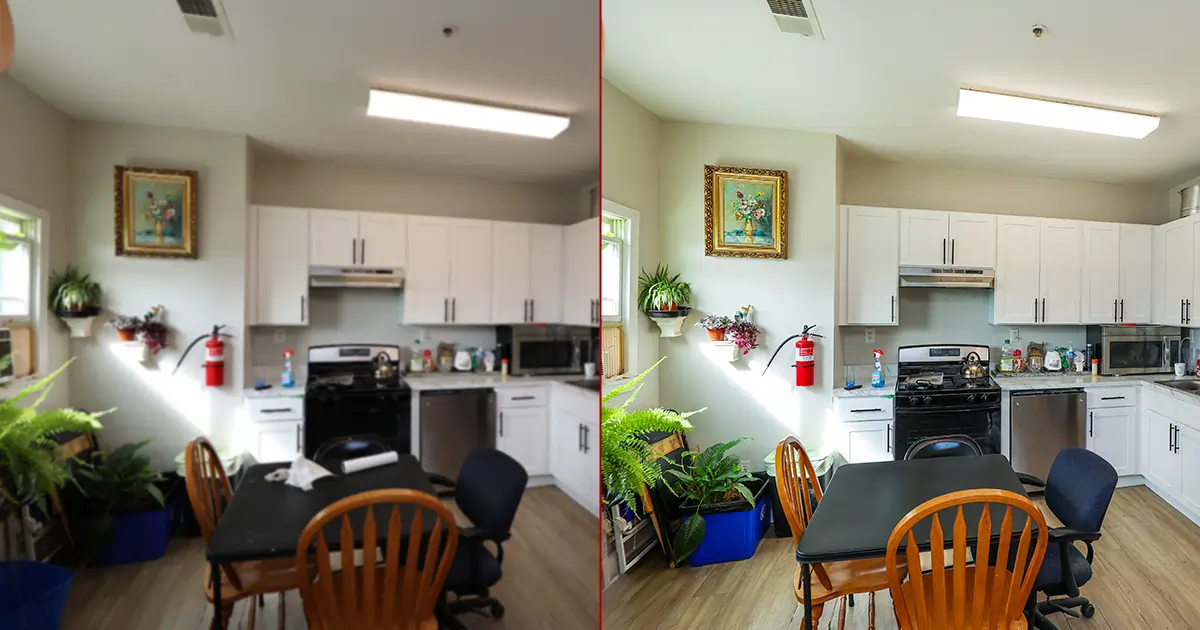
You paid for professional photos and invested in expert editing. Then, you uploaded them at 800 pixels wide. Low-resolution uploads destroy all that work.
The resolution disasters:
Pixelated images on high-resolution screens
Details are completely lost when buyers zoom in
Unprofessional appearance across all platforms
Reduced perceived property value
Why Sellers Need Strategic Retouching, Not Just Editing
We get that you might be wondering what the difference is between editing and strategy.
Most photo editors know how to brighten a room or straighten walls. But strategic retouching? It understands why certain edits work for specific buyers, properties, and platforms.
Here is a quick example for easy understanding:
An $8 million beach villa requires different editing than a $ 200,000 starter home. Luxury buyers want:
Twilight shots with dramatic golden-hour lighting
Flambient blending that captures rich textures
Perfectly masked windows reveal ocean views
Emotion, ambiance, and prestige
Meanwhile, prospective tenants value practical information. They need to see clear, bright, and accurate photos. It will help them quickly decide if the space fits their immediate needs.
The Real Issue With Editing
Most editors treat every property the same. Same brightness, same color correction, same approach. They miss the real estate buyer psychology, or how platforms actually rank listings.
Strategic retouching means matching every edit decision. The retouchers know who's buying, where they're looking, and what algorithms reward. That's the difference between photos that sell and photos that just exist online.
What Should Home Sellers Do Next?
All these mistakes actively cost you money, time, and qualified buyers. What you need is a professional real estate photo retoucher. Yes, let the professional handle your house images. You can contact Color Clipping and try a free trial before deciding to hire us. We are the most affordable you can ever find.
FAQ

Categories
Tag Cloud
Latest Stories